36Kr has learned that Fuya Intelligence, a drone DaaS operation service platform, has completed tens of millions of yuan in Series A2 funding. This round of funding was continuously invested by Zhonghui Jin Group, with Wave Capital serving as the exclusive financial advisor. It is reported that the funds raised in this round will be mainly used for the research and development of fully automatic flight systems and the deployment of the DaaS operation service platform.
Recently, 36Kr has learned that Fuya Intelligence, a drone DaaS operation service platform, has successfully completed tens of millions of yuan in Series A2 funding. This round of funding was continuously invested by Zhonghui Jin Group, with Wave Capital serving as the exclusive financial advisor. It is reported that the funds raised in this round will be primarily used for the research and development of fully automatic flight systems and the deployment of the DaaS operation service platform. Prior to this, the company has received investments from Zhonghui Jin Group, VC Capital, Turing Venture Capital, Yonghui Capital, and Guohong Jiaxin Capital.
Founded in 2017, Fuya Intelligence provides industrial drone hardware and software systems and services centered on automatic flight algorithms. It serves multiple industries such as power grids, transportation, emergency response, security, and water conservancy for patrol and inspection scenarios.
With the gradual improvement of the low-altitude airspace regulatory standard system, the application scenarios for low-altitude drone flights are rapidly expanding. According to Cao Yabing, CEO of Fuya Intelligence, the application of industrial drones has gone through three stages: hardware, intelligence, and service. The core competition of drones has shifted from hardware parameters to automatic flight replacing manual control. Through in-depth scene-based automatic flight algorithms and application software, user scene needs are met. The application of drones is gradually returning to business value, and industry applications are developing towards flight service orientation.
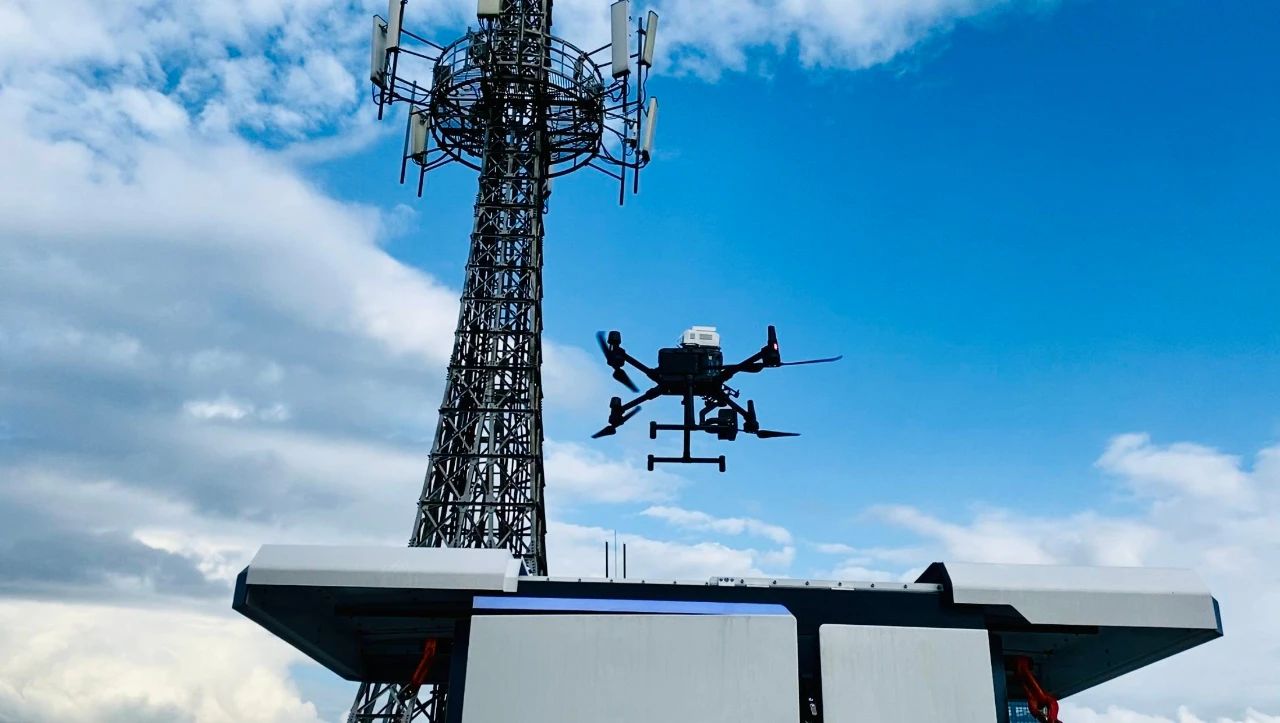
In 2018, Fuya was the first to propose industrial drones 2.0, which replaces pilot control and achieves fully automated operation of drone systems. Based on this, Fuya has developed a fully automatic flight system for drones. Fuya Intelligence's fully automatic flight system consists of four modules: automatic airport, automatic flight algorithm, intelligent analysis platform, and cloud platform. Its automatic airport can achieve 24-hour automatic drone operation, with the automatic airport and drones deployed separately at the user's site to improve response speed during incidents.
Currently, Fuya has served more than 10 patrol and inspection scenarios in industries such as transportation, power grids, wind turbines, water conservancy, and emergency response. Taking the transportation sector as an example, drones can complete tasks such as discovering abnormal road conditions and capturing illegal vehicle behavior during patrols. Fuya's automatic flight drone system has sold hundreds of sets, and the company has achieved a 100% growth rate in performance since its establishment.
Distinguishing itself from numerous competitors focusing on hardware homogeneity in the drone industry, Fuya Intelligence specializes in the development of automatic flight algorithms, the accumulation of data from deep application scenarios, and the construction of a DaaS operation service platform.
Cao Yabing, CEO of Fuya, told 36Kr that through years of experience in selling automatic flight systems, they have discovered that customers value business outcomes, rather than drone hardware or systems alone. On one hand, customers rarely cultivate drone pilots, resulting in high operational costs and long commuting times for temporary pilots, limiting their response speed. On the other hand, drones often have limited uptime in customers' hands, leading to significant idle time. Given the high overlap of customer spaces in urban scenarios, urban sharing presents an opportunity for resource reuse. Based on these insights, Fuya is evolving towards fully automatic flight and DaaS time-sharing rental operations.
In terms of automatic flight algorithms, Fuya is currently capable of realizing autonomous inspection and patrol missions for drones based on its self-developed core algorithms. It can achieve precise positioning and tracking photography of inspection targets, leveraging AI algorithms for real-time perception and automatic positioning. This enables "autonomous driving" of drones without pilots, completing flight routes and photography tasks. So far, Fuya has accumulated 1.5 million hours of work and 150,000 hours of flight operations after delivery, precipitating a large amount of scenario-based flight data, continuously enhancing its flight algorithms' ability to handle automatic flights in different scenarios.
Fuya divides drone automatic flight capabilities into five flight levels: waypoint flight, assisted automatic flight, advanced assisted automatic flight, limited automatic flight, and fully automatic flight (DL1-DL5). Currently, most of Fuya's scenarios are at the DL3-DL4 level, enabling functions such as autonomous target tracking, SLAM visual path planning, violation vehicle tracking, and dynamic target following. This significantly improves the drone's ability to cover a wider range of application scenarios and respond quickly. In the future, as Fuya further delves into scenarios and precipitates algorithms and products, it will aim for the DL5 level, which involves autonomous flight under any conditions.
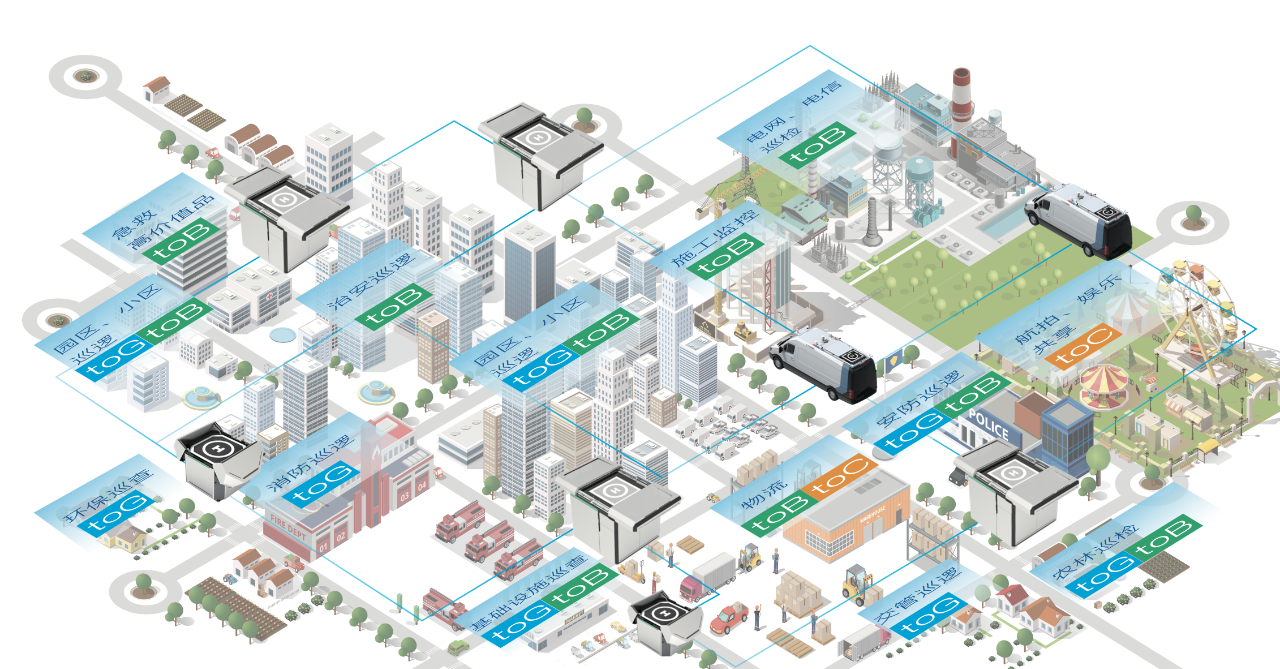
Building on its capabilities in automatic flight technology, in 2021, Fuya Intelligence took the lead in the industry by introducing the "Drone-as-a-Service (DaaS) Operational Service Platform," ushering in a transition from the sale of drone systems to automated operational services. Customers can rent drones for specific working hours to obtain flight services, thereby reducing their usage costs and increasing the utilization rate of drones. Currently, Fuya has completed bulk deployments and achieved reuse in three cities. According to Cao Yabing, customer usage costs have decreased by over 50% and initial investments have dropped by more than 78%. Localized deployments have also increased emergency response capabilities by more than three times, facility utilization has quadrupled, and there has been an increase of over ten new long-tail scenarios. Based on its current accumulated business capabilities, Fuya plans to gradually deploy the DaaS platform in more cities and expand its DaaS service business.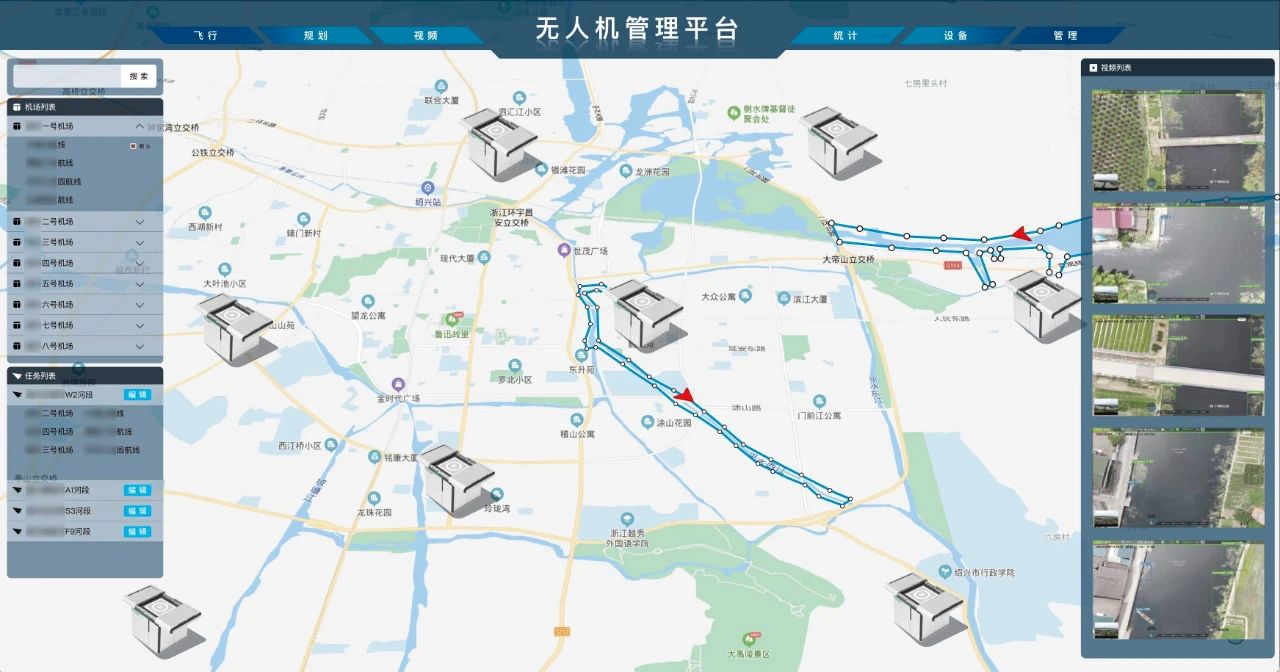
DaaS Deployment Architecture Diagram
Regarding the founder's team background, the company's founder and CEO, Cao Yabing, is an outstanding young entrepreneur in Shanghai with more than 10 years of experience in entrepreneurship and corporate operations. CTO Cheng Liang holds a Ph.D. from Fudan University and has extensive experience in rocket and satellite control research, as well as drone flight control and algorithm development. He has participated in the development of multiple rocket, satellite, and drone control projects. Chief Scientist Feng Hui is an associate professor at Fudan University, specializing in machine vision, AI applications for drones, and drone autonomous driving. He holds multiple patents in areas such as drone vehicle localization. Currently, Fuya Intelligence has a total of 120 employees, with over 40% dedicated to research and development. The company's R&D team has accumulated considerable expertise in algorithms related to automatic flight, perception, control, and decision-making.
Fuya Intelligence has initiated a new round of financing, with Wave Capital serving as the company's long-term strategic partner in capital markets.